Psychosocial Support a Priority for COVID-19 Survivors in Nigeria: OpEd
Other Related News
Minister of State for Health Visits FMC Jalingo
NOVEMBER 4, 2020
A tale of two diseases: COVID-19 and Lassa Fever
NOVEMBER 4, 2025
By Dr. Obehioye Aimiosior (Guest Writer)
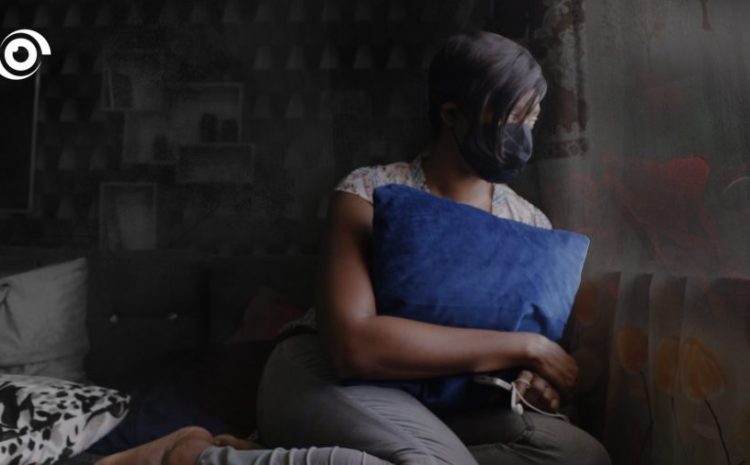
Amaka's husband died from COVID-19. It was a rainy Tuesday afternoon and she was still dealing with the reality of not being there during his last moments. It was barely five days after his death when she received her COVID-19 result. She was dealing with the overwhelming sadness that had come with the loss of a loved one and the fear that she also might have been infected. She had to be strong for her children and still needed closure about her husband's death.
The psychosocial aspect of health encompasses the mental, emotional, social and spiritual factors that might affect health care and its outcomes, either positively or adversely. There are a variety of factors that determine the psychosocial health of patients and in the context of the COVID-19 pandemic, might influence how patients react to the infection and their course of recovery. While it is natural to experience feelings of anxiety, stress and uncertainty as a result of the pandemic, being diagnosed with COVID-19 or admitted to an isolation centre worsens these emotions. So, in order to address the psychosocial health needs of these patients, it is important that support is provided at the time of result disclosure, during isolation in a facility and after discharge.
A positive COVID-19 result carries a significant emotional weight, comparable to other "bad news" in medicine that drastically alters a patient's view of their future. This is attributed to the unraveling nature of the disease, widespread misconceptions, over exaggeration of severity and the widespread social stigma. Responses to a positive result vary greatly, depending on the patient's psychosocial well-being. Conversations with COVID-19 patients revealed a range of emotions, from acceptance and preparation for evacuation to a rollercoaster of emotions ranging from guilt, fear of stigma/self-stigma, anger to outright denial.
The heavy emotional burden of feeling responsible for introducing the virus into the family weighs heavily on many COVID-19 patients. Some COVID-19 patients felt guilty about potentially infecting family members, a feeling intensified if a close relative had risk factors for severe illness. Patients even felt responsible for the death of a family member. As one patient expressed: "I could not protect my son" - a patient who feared his son, who had a history of asthma, might have contracted the virus from him.
The all too often echo of "It is not my portion" is the initial sign of disbelief, deferral and dismissal which mimic denial. These patients revealed that at the time of result disclosure, felt the diagnosis was mistaken and refused to accept it, thereby holding on to a false reality. In some cases, it was a short-term denial, so the patient gradually adjusted to the news. There is, however, the harmful side of denial as these individuals pose a risk to unsuspecting members of the population knowing that they would most likely flout public health advisories.
The most recurring response, however, was a request to go to the isolation centres in their own vehicle because of the social stigma associated with the branded ambulances that are sent to pick them up. These patients feared that they might be stigmatized, discriminated against following their discharge from the isolation centres, and these concerns are valid. Our concern is how this stereotype affects the self-esteem of these patients and how this prevents others from seeking healthcare immediately.
Significant changes have been made to our daily lives as a result of the pandemic and in addition to the fear of being infected with the virus, we face the new realities of working from home, loss of employment and financial hardships for a lot of families, lack of physical contacts with families and friends, unexpected losses of loved ones and the closure of schools and religious institutions. In the face of these challenges, individuals have attempted to make precautionary changes as prescribed by global and local public health authorities to minimise the risk of infection and thus contain spread.
During these stressful times, it is imperative that individuals take responsibility for their mental health by regulating their exposure to information, maintaining a healthy diet, social connectedness, and optimal rest. The government and stakeholders also have a role to play in providing comprehensive risk communications to dispel fears, misperceptions, and stigma, empowering individuals to protect themselves and their communities. Effectiveness is achieved through collaborations with NGOs, community and religious leaders, employers, and community members, ensuring content is locally generated and contextually appropriate.
The psychosocial health of COVID-19 patients and the general population remains a priority. Protecting a person's psychosocial health is crucial for maintaining wholesome health, and well-designed, targeted risk communication strategies are invaluable.
What other organisations do you know of that provide psychosocial support for Nigerians in this time? Let us know in the comments below or on our social media platforms: @nighealthwatch on Twitter, and @nigeriahealthwatch on Facebook and Instagram.
About the Author
Dr. Obehioye Aimiosior is a young healthcare professional with a passion for achieving Universal Health Coverage through Health Systems Strengthening especially Healthcare Financing. She graduated from the University of Ibadan, College of Medicine, with a degree in medicine and surgery. She is a sustainable development goals advocate with a focus on SDG 3; Good health and Well-being. Obehi is currently the Vice Lead-Health for The Neo-Child Initiative, a non-profit organisation that promotes child health awareness and sustainable education to empower Nigerian Children.
Related

